

 Español
General Information and News
Apple Watch Sleep Apnea Monitoring: A Breakthrough in Health Tech

Revolutionizing Sleep Apnea Monitoring with Apple Watch: A Game Changer for Health
Introduction:
In a groundbreaking move, Apple has introduced sleep apnea monitoring on the Apple Watch, merging the power of wearable technology with critical health data tracking. For millions suffering from sleep apnea, this innovative feature offers a convenient way to monitor their condition in real-time, track oxygen levels, and detect breathing interruptions — all without the need for traditional, cumbersome overnight studies.
Key Features of Apple Watch Sleep Apnea Monitoring
- Advanced Sleep Apnea Detection
Using built-in sensors, the Apple Watch can track interruptions in breathing patterns during sleep, identifying potential apnea episodes and providing alerts to users when abnormalities occur. - Blood Oxygen Monitoring
A critical tool for sleep apnea patients, the SpO2 sensor measures blood oxygen saturation levels, helping detect drops that often accompany sleep apnea events. - Heart Rate Variability
Monitoring changes in heart rate throughout the night offers further insights into disruptions caused by sleep apnea. This continuous tracking can help users and doctors better understand the severity of the condition. - Integration with Apple Health
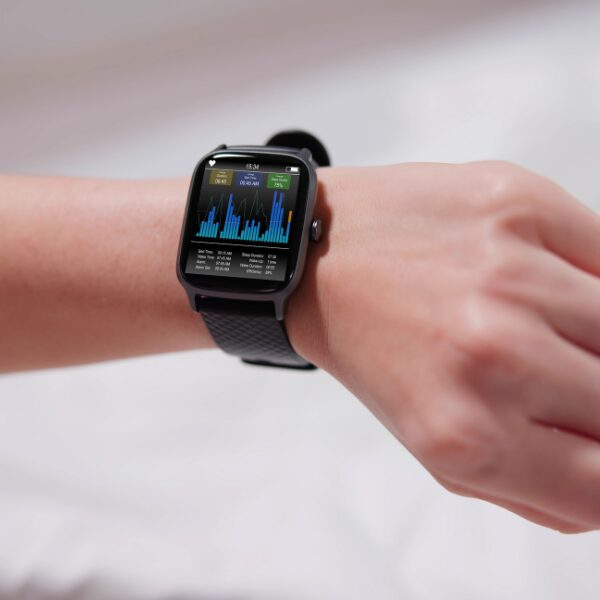
Seamlessly integrated with the Apple Health app, the data collected from the Apple Watch allows users to track their sleep patterns, oxygen levels, and heart rate variability in one place. This detailed, easy-to-access information can be shared with healthcare providers for better treatment plans.
Why This Technology is a Game Change
Continuous, Real-Time Monitoring
Unlike conventional sleep studies that provide only a snapshot of your sleep for one night, the Apple Watch offers continuous nightly monitoring. This ongoing data collection allows for a more accurate understanding of how sleep apnea affects your health over time.
Convenient and Non-Invasive
With the Apple Watch, users can track their condition without the hassle of bulky equipment or hospital visits. It’s wearable, unobtrusive, and can be worn every night for ongoing insights into your sleep health.
Personalized Health Insights
Thanks to machine learning algorithms, the Apple Watch adapts to each user’s specific health patterns, offering personalized insights and recommendations based on the collected data.
Early Detection for Better Outcomes
Early detection is crucial for managing sleep apnea, and the Apple Watch’s real-time alerts can prompt users to seek medical attention sooner. This can lead to improved treatment outcomes, from better sleep quality to reduced cardiovascular risks.
How Does It Compare to Traditional Monitoring?
| Feature | Apple Watch Sleep Apnea Monitoring | Traditional Sleep Study |
|---|---|---|
| Convenience | At-home, wearable device | Requires an overnight stay at a clinic |
| Monitoring Frequency | Continuous, every night | One-time, over 8 hours |
| Data Access | Instant via Apple Health | Requires professional review |
| Cost | Built into the price of the Apple Watch | Higher, often involves medical bills |
| Sleep Environment | Natural sleep in your own home | Monitored environment, unfamiliar |
Health Benefits of Sleep Apnea Monitoring with Apple Watch
- Improved Sleep Quality:
Regular monitoring can help users adjust their lifestyle and treatment based on personalized data, resulting in more restful sleep. - Reduced Health Risks:
By addressing sleep apnea early, users can lower their risk for related conditions, such as hypertension, heart disease, and stroke. - Enhanced Daytime Function:
Better sleep means improved alertness and energy, reducing daytime sleepiness often experienced by sleep apnea sufferers.

FAQs
1. Is Apple Watch sleep apnea monitoring accurate?
While not a replacement for clinical diagnosis, Apple Watch provides valuable real-time data that can assist in identifying patterns related to sleep apnea.
2. Can I replace my traditional sleep study with Apple Watch monitoring?
The Apple Watch offers continuous data but cannot replace the detailed diagnostics of a sleep study. However, it’s an excellent complement for ongoing monitoring.
3. How does the Apple Watch detect sleep apnea?
It uses a combination of SpO2 sensors, heart rate tracking, and machine learning to identify breathing disruptions during sleep.
4. Is the sleep apnea monitoring feature available on all models?
The sleep apnea monitoring feature is available on newer models such as the Apple Watch Ultra 2 and later, which include the SpO2 sensor.
5. How can I share my sleep data with my doctor?
You can export your Apple Health data and share it with your healthcare provider for further analysis.
Conclusion
The Apple Watch’s sleep apnea monitoring feature is a game-changing innovation for health-conscious individuals and those at risk for sleep apnea. It brings the ability to monitor crucial health metrics to your wrist, empowering users to take control of their sleep health in ways that were never before possible. Whether you’re already diagnosed with sleep apnea or suspect you might have it, the Apple Watch offers an accessible, easy-to-use solution for tracking your sleep health.