
 Español
Obstructive Sleep Apnea in Truck Drivers: Data, Risks, CPAP Use, and How to Protect Your CDL
If you drive a commercial truck across the U.S., many hours on the road, sleeping in your cab, changing schedules—you may be unknowingly dealing with obstructive sleep apnea (OSA). Many of your fellow truckers suffer from it without realizing. This post will help you spot warning signs, understand the risks, how a CPAP machine can help, and what you need to do to stay safe, healthy, and keep your CDL (Commercial Driver’s License).
2. What Is Obstructive Sleep Apnea (OSA)?
- OSA happens when your upper airway collapses or is blocked during sleep, causing pauses in breathing (apneas) or reductions in airflow (hypopneas).
- These interruptions lower your blood oxygen levels and fragment your sleep, preventing you from getting the deep restorative rest your body needs.
- Severity is measured by the apnea‑hypopnea index (AHI): number of apneas + hypopneas per hour. Categories: mild, moderate, severe.
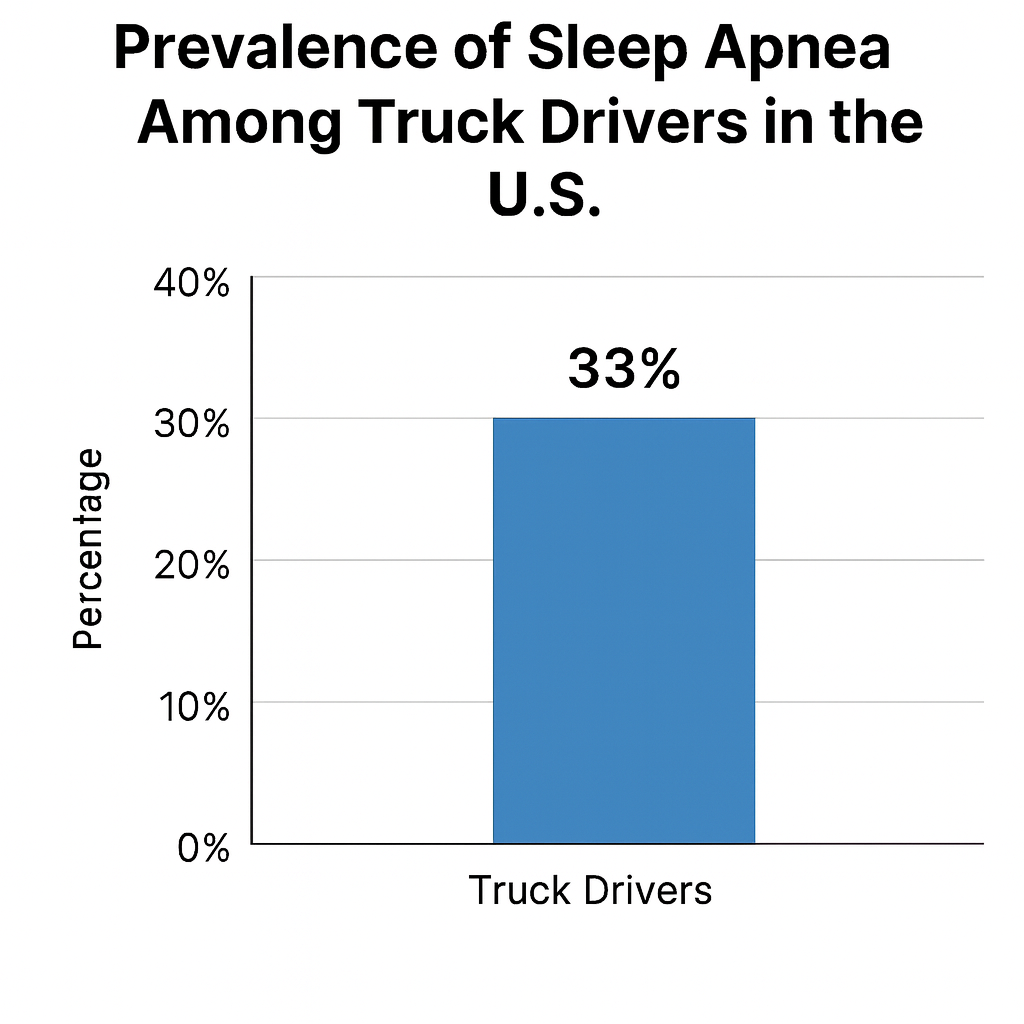
Key Statistics Among U.S. Truck Drivers.

| Study / Source | Prevalence in Truck Drivers | Notes |
|---|---|---|
| “A Study of Prevalence of Sleep Apnea Among Commercial Truck Drivers” (FMCSA / Trucking Research Institute) | Mild: ~17.6 % • Moderate: ~5.8 % • Severe: ~4.7 % of CDL holders tested in a high‑risk sample. ROSA P | |
| HealthyTruck.org summary | Up to 28 % of commercial drivers may have OSA (mild to severe) in some studies. Healthy Trucking of America | |
| CDL Life (Virginia Tech Transportation Institute) | ~49 % of commercial motor vehicle (CMV) drivers are at risk for OSA via screening tools. CDLLife |
So roughly 1 in 4 to 1 in 2 truck drivers may have OSA or be at high risk, depending on the methods used.
4. Risk Factors Specific to Truckers
Truck drivers are especially vulnerable to OSA because of:
- Irregular sleep schedules, long hours, frequent overnight shifts
- Sleeping in cab environments that may be noisy, hot/cold, uncomfortable
- High prevalence of obesity / high BMI, larger neck circumference
- Age (especially above 40)
- Hypertension, diabetes, heart health issues
- Lifestyle factors: limited healthy food options, sedentary periods, use of alcohol or sedatives (or medications that might relax throat muscles)
5. Symptoms You Shouldn’t Ignore
You should talk to a doctor or sleep specialist if you notice several of these:
- Loud, persistent snoring
- Pauses in breathing while asleep (someone else notices)
- Waking up gasping, choking, or feeling breathless
- Dry mouth, sore throat in the morning
- Morning headaches
- Daytime drowsiness (falling asleep unintentionally), difficulty staying alert, especially driving
- Poor concentration, memory problems, irritability
- High blood pressure, heart irregularities
6. Sleep Study: When, How, What to Expect
- When: If you have multiple risk factors + symptoms; or if a DOT medical examiner suggests it.
- How:
- In‑laboratory polysomnography (overnight sleep lab) – most comprehensive
- Home sleep test (when applicable) – more convenient, lower cost
- What it checks: AHI (severity), oxygen saturation, sleep phases, breathing pattern
- Cost & Insurance: Varies by provider and state; many insurance plans cover part or all of the cost if medically indicated
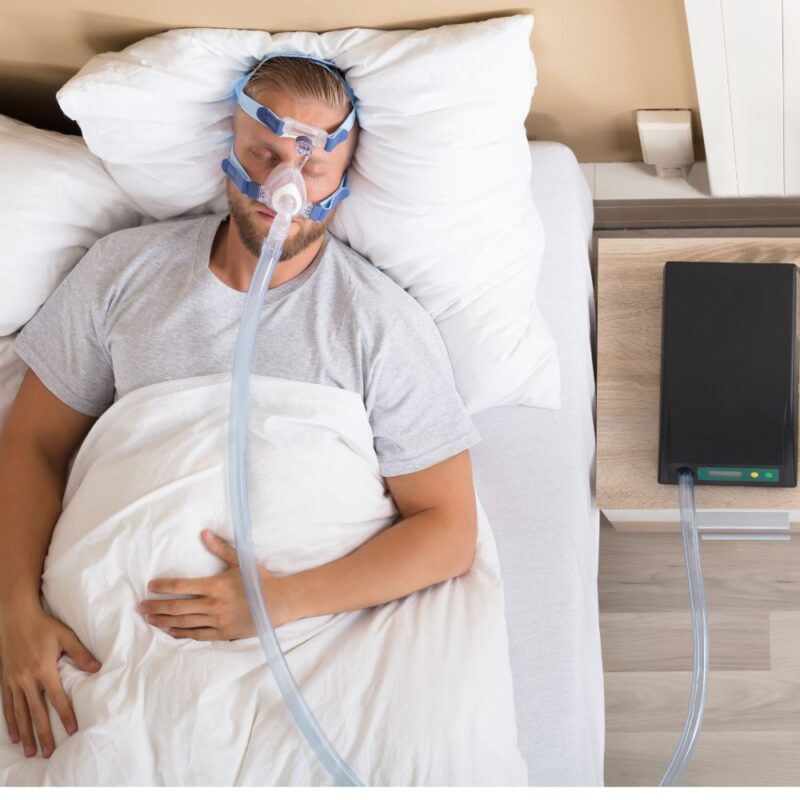
7. Proper CPAP Use: Tips & Best Practices
| Component | Key Advice for Truck Drivers |
|---|---|
| Mask Type | Choose a mask that fits well: nasal, nasal pillows, full face. A good seal prevents leaks and discomfort. |
| Pressure Setting & Comfort | Follow prescription; adjust to reduce air leaks; using humidification to ease dryness. |
| Hygiene & Maintenance | Clean mask daily; replace mask parts/filters regularly; keep equipment dry. |
| Portability / On The Road | Use a CPAP machine compatible with 12V/24V DC or bring proper power adapter; pack spare mask and filters. |
| Usage Consistency | Use every night, for at least 4 hours per night on at least 70 % of nights (or whatever your medical exam requires). |
8. DOT / FMCSA / CDL Regulatory Requirements
- The FMCSA (Federal Motor Carrier Safety Administration) does not currently enforce blanket mandatory screening for all drivers, but medical examiners have authority to require testing or treatment if symptoms or risk factors are present. FMCSA+1
- If you are diagnosed with moderate to severe OSA, you may need to show proof of effective CPAP use to regain or maintain medical certification.
- DOT medical examiners often require documentation of compliance: usage reports from the CPAP machine (hours used), mask fit, absence of significant side effects.
9. Consequences of Leaving OSA Untreated
- Increased accident risk: fatigue and impaired alertness can lead to crashes
- Rising health risks: hypertension, heart disease, stroke, metabolic issues
- Potential loss of your CDL or inability to pass DOT medical exam
- Poor quality of life: constant tiredness, family/social impacts, mental health decline
- Increased medical costs, potential job safety or insurance issues
10. Practical Tips for Truck Drivers
- Aim for consistent sleep schedule whenever possible—even off the road
- Improve your cab sleep environment: reduce noise, use blackout curtains, temperature control
- Monitor weight, maintain healthy diet and physical activity whenever possible
- Avoid alcohol or sedatives before bed; limit heavy meals late at night
- Keep thorough medical and CPAP usage records
- Bring spare parts, power adapters, travel CPAP supplies
- Share info with your employer; see if health programs can help
11. Resources
- FMCSA official resources on OSA in CMV (Commercial Motor Vehicle) drivers FMCSA
- American Academy of Sleep Medicine
- National Sleep Foundation
- Sleep clinics / specialist doctors in your state
- Trucking health & wellness programs
12. FAQ (Frequently Asked Questions)
Q1: Will getting diagnosed with OSA mean I lose my CDL automatically?
A: Not automatically. What matters is severity, symptoms, and whether you follow prescribed treatment and prove compliance. With a doctor’s recommendation and consistent CPAP use, many drivers regain or keep their medical qualification.
Q2: How long do I need to use CPAP each night?
A: Usually at least 4 hours per night, on at least 70% of nights, though specific requirements may vary depending on your DOT examiner and the state.
Q3: What kinds of CPAP masks are best for truckers?
A: There are several types—nasal mask, nasal pillows, full face. The best one fits well, doesn’t leak, is comfortable even with movement, and works well in the sleeping environment of a truck cab.
Q4: What does a sleep study involve and is it covered by insurance?
A: It involves overnight monitoring of breathing, oxygen levels, sleep stages. Insurance often covers it if you have symptoms or risk factors. Always check your plan and the sleep clinic beforehand.
Q5: Can I travel or sleep in my cab with CPAP equipment?
A: Yes—there are portable CPAPs, adapters for truck power, spare filters and masks. Just plan ahead to maintain proper usage and hygiene.
Sources / References
- FMCSA – Commercial Motor Vehicle Drivers and Obstructive Sleep Apnea
- A Study of Prevalence of Sleep Apnea Among Commercial Truck Drivers – ROSAP / FMCSA
- CDL Life – Nearly Half of Truck Drivers Are Prone to Sleep Apnea
- CPAP.com – Sleep Apnea and DOT Compliance for Truck Drivers
- Concentra – DOT Physical Requirements for Sleep Apnea (PDF)
- AASM – Clinical Practice Guidelines for Sleep Apnea
- National Sleep Foundation – Sleep Apnea Overview
- HealthyTruck.org – Sleep Apnea in Trucking