
 Español
Ensuring Effective CPAP Therapy with the Right Oxygen Concentrator: A Guide
Understanding the Role of CPAP Therapy and Oxygen Concentrators
Selecting the right equipment is crucial for individuals who require both continuous positive airway pressure (CPAP) therapy and supplemental oxygen. While CPAP machines keep your airways open during sleep, oxygen concentrators provide the necessary oxygen to your system. However, not all oxygen concentrators are compatible with CPAP machines, especially those that operate on a pulse dose system, such as the Inogen One G5. This article explores the challenges of using a CPAP machine with a pulse dose concentrator and offers solutions for effective therapy.
The Role of CPAP and Oxygen Concentrator Therapy
CPAP therapy is the gold standard treatment for obstructive sleep apnea (OSA), a condition where the airway collapses during sleep, causing interruptions in breathing. CPAP machines deliver a continuous stream of pressurized air through a mask, keeping the airway open and preventing apneas.
For some patients, especially those with chronic obstructive pulmonary disease (COPD) or other respiratory conditions, supplemental oxygen is necessary in addition to CPAP therapy. Oxygen concentrators are used to deliver this oxygen, typically through a nasal cannula. However, the type of oxygen delivery—whether continuous flow or pulse dose—plays a significant role in how well the therapy works when combined with CPAP.
Challenges of Integrating Pulse Dose Oxygen Concentrators with CPAP Therapy
The Inogen One G5 is a popular choice among portable oxygen concentrators due to its lightweight design, portability, and intelligent delivery of oxygen. However, it operates on a pulse dose system, meaning it delivers oxygen only when it detects a breath. This method works well for ambulatory patients during the day but presents challenges when combined with CPAP therapy at night.
1. Incompatible Oxygen Delivery:
CPAP machines are designed to provide continuous airflow to maintain airway patency. When using a pulse dose oxygen concentrator like the Inogen One G5, the oxygen is only delivered during inhalation. This sporadic oxygen delivery may not meet the continuous needs of a CPAP machine, potentially leading to inadequate oxygenation during sleep.
2. AutoPulse Feature and Its Limitations:
The Inogen One G5’s AutoPulse feature is designed to adjust oxygen delivery based on the user’s breathing pattern. While this feature optimizes oxygen delivery during waking hours, it does not provide the continuous flow of oxygen that CPAP therapy requires. Patients using a CPAP machine at night may find that their oxygen needs are not fully met with the Inogen One G5, especially during periods of deep sleep or apnea events.
Solutions for Effective CPAP and Oxygen Therapy
For patients who need both CPAP and oxygen therapy, ensuring compatibility between devices is essential for effective treatment. Here are some potential solutions:
1. Opt for a Continuous Flow Oxygen Concentrator:
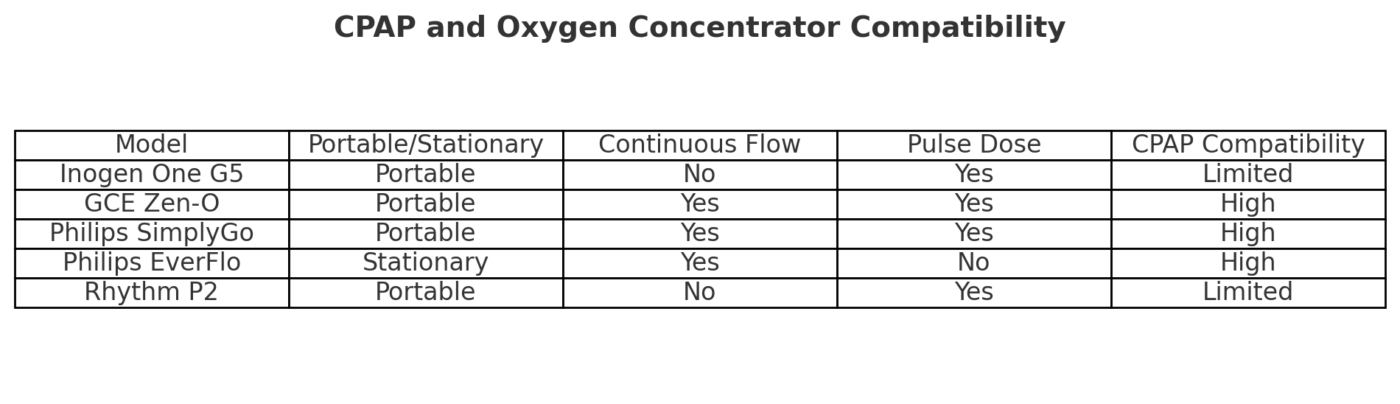
The most reliable solution is to use an oxygen concentrator that offers a continuous flow mode. Unlike pulse dose concentrators, continuous flow devices provide a steady stream of oxygen, making them compatible with CPAP machines. Two excellent options are:
- GCE Zen-O: This portable concentrator offers both pulse dose and continuous flow modes, making it versatile for patients who require oxygen both during the day and at night with their CPAP machine.
- Philips SimplyGo: Known for its reliability and ease of use, the Philips SimplyGo also provides both continuous and pulse dose oxygen delivery, ensuring seamless integration with CPAP therapy.
2. Consult with Your Healthcare Provider:
Before selecting an oxygen concentrator for use with your CPAP machine, it’s crucial to consult with your healthcare provider or respiratory therapist. They can assess your oxygen needs and recommend the most appropriate device for your therapy. They may also suggest a dual-device setup where a portable concentrator is used during the day, and a stationary continuous flow concentrator is used at night.
Why Continuous Flow Concentrators Are Ideal for CPAP Users
Continuous flow oxygen concentrators provide a consistent and uninterrupted supply of oxygen, which is critical when using a CPAP machine. This ensures that during every phase of the breathing cycle—whether inhalation or exhalation—oxygen is being delivered effectively. Continuous flow is especially important for patients who experience significant oxygen desaturation during sleep, as it prevents hypoxia and ensures adequate oxygenation throughout the night.
In Conclusion
When it comes to combining CPAP therapy with oxygen therapy, the type of oxygen concentrator you choose can make a significant difference in the effectiveness of your treatment. While pulse dose concentrators like the Inogen One G5 are excellent for daytime use and portability, they may not provide the necessary continuous oxygen flow required for CPAP therapy. For patients who require both therapies simultaneously, investing in a continuous flow concentrator such as the GCE Zen-O or Philips SimplyGo is highly recommended. Always consult with your healthcare provider to ensure that your treatment setup meets your specific needs, ensuring both safety and efficacy.


-

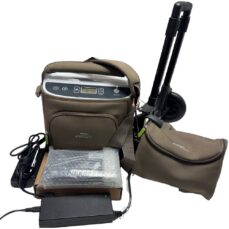
Portable Oxygen Concentrator
-

-


-