

 Español
Cpap Products and Arrivals News, General Information and News
CPAP Mask Comparison: Nasal vs. Full Face Masks

Introduction
Choosing the right CPAP mask is crucial for effective sleep apnea therapy. With various options available, it’s important to understand the differences between nasal and full face masks. This comparison will help you decide which type suits your needs best, ensuring a comfortable and effective CPAP therapy experience.
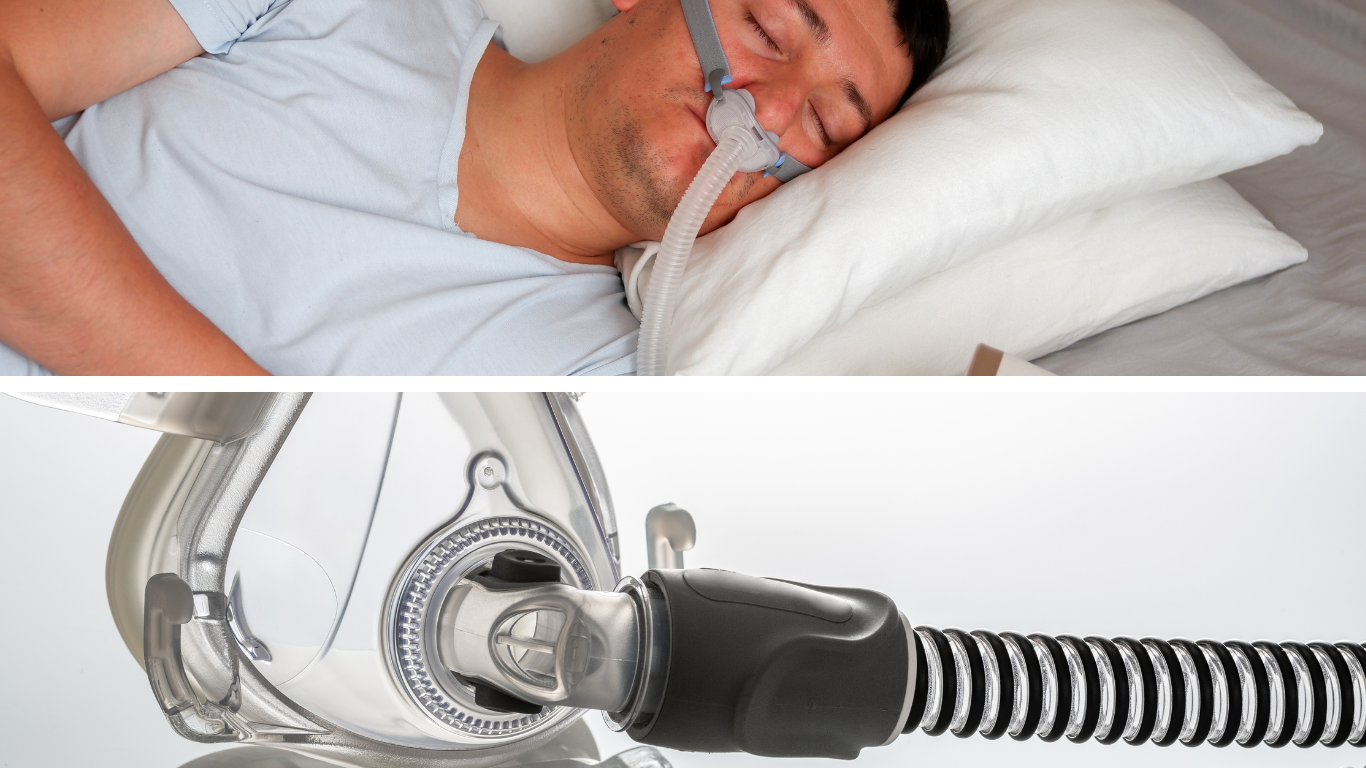
Nasal CPAP Masks
Advantages:
- Lightweight and Less Intrusive: Nasal masks are smaller and less cumbersome, making them more comfortable for many users.
- Better for Active Sleepers: Because of their compact design, nasal masks are ideal for those who move around a lot during sleep.
- Lower Risk of Leaks: With a smaller contact area, nasal masks often have fewer issues with air leaks.
Disadvantages:
- Not Suitable for Mouth Breathers: Nasal masks are ineffective if you tend to breathe through your mouth while sleeping.
- May Cause Nasal Irritation: Some users experience nasal dryness or congestion.
Best For:
- People who primarily breathe through their nose.
- Those who prefer a less bulky option.
- Users who move frequently during sleep.
Image Caption: Nasal CPAP masks are lightweight and ideal for active sleepers.
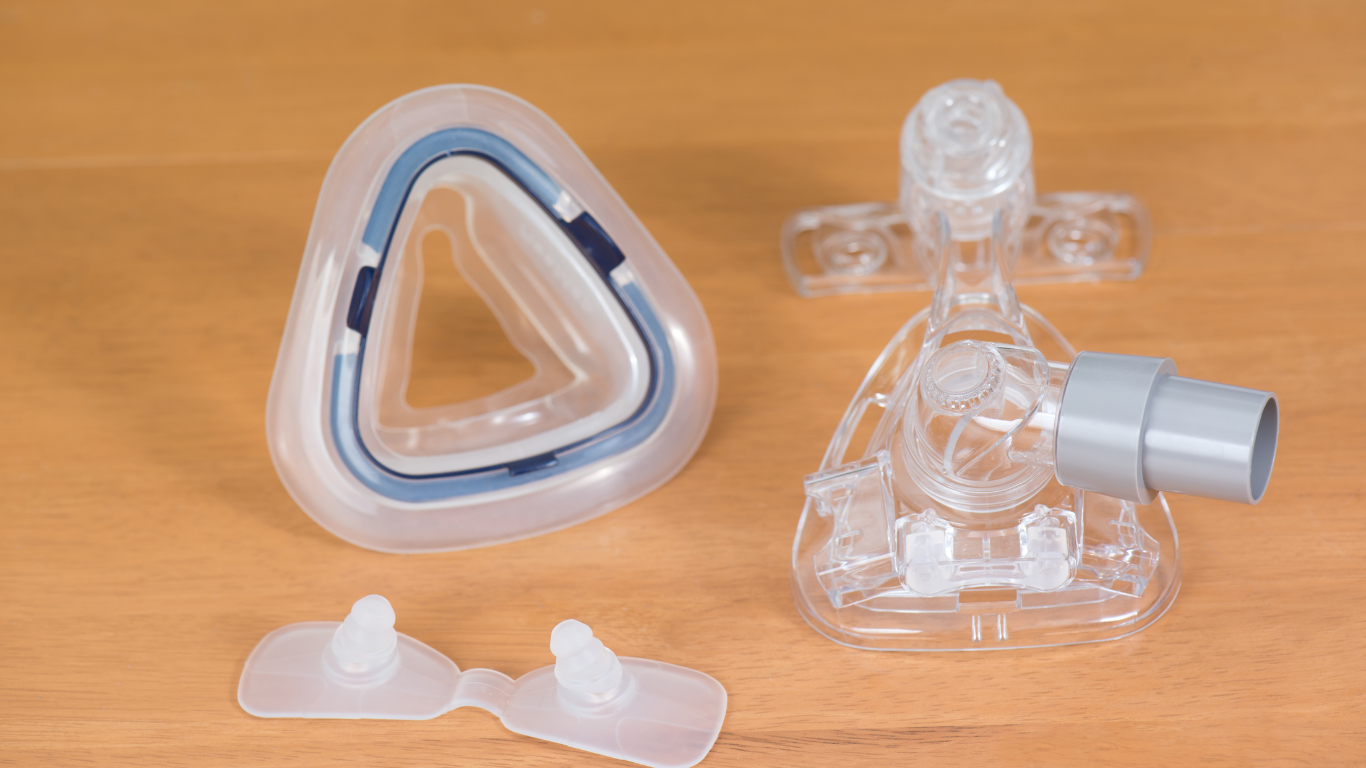
Full Face CPAP Masks
Advantages:
- Effective for Mouth Breathers: Full face masks cover both the nose and mouth, making them ideal for users who breathe through their mouth.
- Better for High-Pressure Settings: These masks are more effective at higher pressure settings, as they provide a larger surface area to distribute the pressure.
- Reduces Dry Mouth: By covering the mouth, these masks can help prevent the dryness often associated with mouth breathing.
Disadvantages:
- Bulkier Design: Full face masks are larger and can feel more cumbersome.
- Higher Risk of Leaks: With more surface area, there’s a higher chance of air leaks, especially if the fit isn’t perfect.
Best For:
- Mouth breathers.
- Users who require higher pressure settings.
- Those who experience nasal congestion or allergies.
Image Caption: Full face CPAP masks are ideal for mouth breathers and higher pressure settings.
Which CPAP Mask is Right for You?
Consider Your Breathing Style:
- If you breathe through your nose and want a lighter mask, go for a nasal mask.
- If you breathe through your mouth or need a mask that can handle higher pressures, a full face mask is likely the better option.
Assess Your Comfort Needs:
- Nasal masks are less intrusive and may be more comfortable for those who feel claustrophobic with a full face mask.
- Full face masks provide a more secure seal for those who move a lot in their sleep.
Evaluate Your Therapy Requirements:
- Consult with your healthcare provider to determine the best mask based on your specific therapy needs and prescribed pressure settings.
Recommendations
Top Nasal CPAP Masks:
- ResMed AirFit N20: Known for its comfort and flexibility.
- Philips Respironics DreamWear: Innovative design that allows for freedom of movement.
Top Full Face CPAP Masks:
- ResMed AirFit F20: Offers a secure seal and is suitable for higher pressure settings.
- Fisher & Paykel Simplus: Designed for comfort and ease of use.
Conclusion
Choosing between a nasal and a full face CPAP mask depends on your individual needs and preferences and the RX. By understanding the advantages and disadvantages of each type, you can make an informed decision that enhances your CPAP therapy experience. Visit our CPAP Masks page to explore our wide range of masks and find the perfect fit for you.
